
"Germany coffee buyer"
400 article(s) found

Introduction to the production area of Fine Ugandan Coffee roasted degree treatment method and Flavor description
Uganda's coffee production ranks first in Africa, accounting for more than 70% of its total exports. Uganda is also the hometown and main producing area of Robes specialty coffee. In the 1960s, Ugandan coffee production remained at 3.5 million bags a year. By the mid-1980s, coffee production had dropped to 2.5 million bags a year, mainly for political reasons. But now coffee production is on the rise again, which is large at present.

African Coffee Manor the Black Gold Story of the "Coffee War" in the Coffee Bean producing area of Kenya
The quality of Kenyan caffeine is widely praised in the global market, known as black gold in the industry, but the industry has long been monopolized by Western multinationals. To this end, Kenya wants to attract Chinese and other Asian investors to the market, thus intensifying the business game. According to a survey released by the local media, six Western companies currently control about 60% of the Kenyan market.

Introduction to the method of texture treatment of Ethiopian Coffee Flavor and Grinding degree
On coffee farms, high quality assurance is reflected in the timely and strict selection of mature and reddest coffee fruits. Picked coffee needs to be protected from direct sunlight, and the picked fruit is concentrated in a bamboo basket to avoid contact with the soil. The picked fruit is washed in clean water and preserved under water to improve the flavor and color of coffee beans. Processing

A brief introduction to the cultivation of medium-grained Vietnamese boutique coffee beans, geographical location, climate and altitude
In the field of coffee processing, there have been some dilapidated processing plants since 1975, and there are several processing plants in northern Tongjiao, Fukui and other places, whose equipment was made in East Germany from 1960 to 1962. In the south, the old factories left by former landowners such as ROSSI,DELPHANTE are also small. While expanding the planting area of coffee, it also began to build new coffee processing plants, initially producing some

A brief introduction to the treatment method of grinding degree and baking degree of medium-grain Vietnamese boutique coffee beans
In addition, there are many enterprises with inadequate equipment, which only rely on a few stand-alone machines for processing, and purchase newly processed coffee from farmers to ensure export standards. The coffee purchased from the private sector is mainly handled by each farmer through the cement yard or soil yard. Farmers in many places use small grinders to grind dried coffee fruits into coffee kernels and sell them to coffee buyers. This kind of processing

What are the flavor characteristics of African coffee? how does Kenyan coffee taste bring the world to its knees?
Professional coffee knowledge exchange more coffee bean information please follow the coffee workshop (Wechat official account cafe_style) front street-Kenya Coffee introduction African boutique beans are mainly in Ethiopia, Kenya, Yemen, but the coffee industry in Kenya is relatively late. It was not until the beginning of the 20th century that he began to engage in coffee cultivation. Kenya (kenya) although with Ethiopia Russia

Coffee production in Vietnam Coffee processing in Vietnam
I. Coffee production in Vietnam the geographical location of Vietnam is very favorable for coffee cultivation. Southern Vietnam has a hot and humid tropical climate, which is suitable for growing ROBUSTA coffee, while the north is suitable for growing ARABICA coffee. Coffee production in Vietnam has the following characteristics: (1) because there is no effective way to deal with fallen leaves, medium-grain coffee was selected as the main variety in the early 1980s.

Flavor description of Ethiopian Coffee introduction to planting Environment
Large-scale coffee-growing villages account for about 35% of the country's total coffee production. These coffee farms, which use a multi-tier coffee planting system, are carefully cared for. Coffee farmers do not use chemical fertilizers, but use fallen leaves and animal and plant debris to increase soil nutrition. In addition to coffee, farmers also frequently grow non-coffee crops. It even accounts for the total amount of coffee in the country.

A brief introduction to the Market Price of simple and mild Uganda Fine Coffee Bean varieties
The western branch of the East African Rift Valley runs through the western border, with many rivers and lakes at the bottom of the valley. Uganda has a great Victoria lake, coupled with the high mountains, which makes Uganda a mild climate suitable for growing coffee, although it spans both sides of the equator. The coffee growing industry in Uganda is one of the pillar industries of its exports. Uganda is the birthplace of Robsta in Africa, just as Ethiopia is the native source of Arabica coffee.

Geography of Rwandan coffee beans what are the varieties of Rwandan coffee? Rwandan coffee flavor
Professional coffee knowledge exchange more coffee bean information please follow the coffee workshop (Wechat official account cafe_style) Rwanda coffee growing environment Rwanda is located in the heart of the interior of Africa, its mountain terrain is fertile land, as well as ancient traditional bourbon species, indicating that the natural environment needed to grow quality coffee beans can be found everywhere in Rwanda. Coffee was made in Germany in 1904.

Cuban Crystal Mountain Coffee Bean Grind Scale Processing Flavor Description Taste Introduction
Cuban coffee culture was brought in by French immigrants. Early coffee has been popular in Cuban upper class society. At present, Cuban coffee beans are mostly purchased by Japanese and French markets, especially Japan. Cuban coffee is divided into nine grades, Crystal Mountain being the highest. Sweet and refreshing, aroma straight to the nasal cavity, acid delicate, mellow taste, good viscosity. Cuban Blue Mountain is a species

Ethiopian Coffee Ted Manor Flavor description Variety characteristics of High-quality Coffee beans
The coffee market regulatory body in Ethiopia is the Ethiopian Coffee and Tea products Administration. There are two auction centers in the country, one in the capital Addis Ababa (Addis Ababa) and the other in Dire Dawa in eastern Ethiopia. Coffee growers bring fresh fruit or to private coffee processing plants or cooperative coffee washing stations

Description of flavor of Ugandan coffee beans introduction to the characteristics of producing areas of coffee beans with grinding degree
Most of Uganda is located in the Central African Plateau, with lakes, with an average elevation of 1000 mi 1200 meters. There are many lakes and plateaus in the mountains, which are known as the water villages of the plateau. The western branch of the East African Rift Valley runs through the western border, with many rivers and lakes at the bottom of the valley. Uganda has a great Victoria lake, coupled with the high mountains, which makes Uganda a mild climate suitable for growing coffee, although it spans both sides of the equator. Right and wrong in Uganda

Introduction to the description of varieties and flavors in Ethiopian Coffee Manor with rich texture
The coffee market regulatory body in Ethiopia is the Ethiopian Coffee and Tea products Administration. There are two auction centers in the country, one in the capital Addis Ababa (Addis Ababa) and the other in Dire Dawa in eastern Ethiopia. Coffee growers bring fresh fruit or to private coffee processing plants or cooperative coffee washing stations

Introduction to the characteristics of Kenya Coffee Flavor Manor which is not strong in taste
Kenya is one of the birthplaces of mankind, where fossilized human skulls from about 2.5 million years ago have been unearthed. In the 7th century AD, some commercial cities were formed along the southeast coast, and Arabs began to do business and settle here. Zheng he, a Chinese navigator, has been to Malindi and Mombasa in Kenya. In 1498, the Portuguese Vasco Daga went to Kenya. Portuguese colonization in the 16th century

Introduction of Ugandan coffee beans with mild climate and suitable for growing coffee
Uganda leads Africa in coffee production, accounting for more than 70% of its total exports. In the 1960s, Ugandan coffee production remained at 3.5 million bags a year. By the mid-1980s, coffee production had dropped to 2.5 million bags a year, mainly for political reasons. But now coffee production is on the rise again, currently about 3 million bags a year. Mainly exported to the European Union, including Germany and Italy
History and characteristics of Kenyan coffee beans
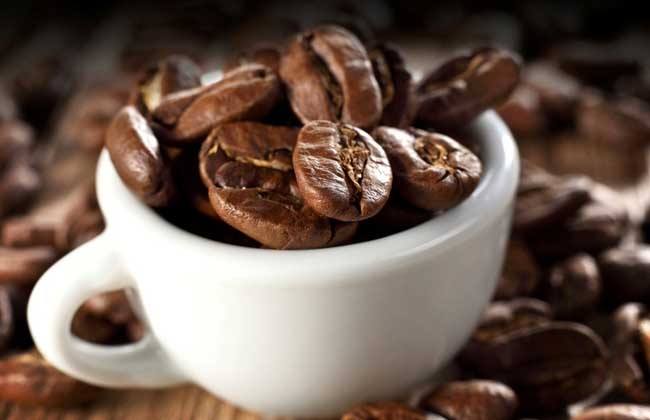
Following Cafe Review (Wechat official account vdailycom) found that Fairview Cafe opened a small shop of its own Kenya Coffee Bean History Africa is the third largest coffee production continent in the world, after Central and South America and Asia. African fine beans are mainly in Ethiopia, Kenya and Yemen, but the development of coffee industry in Kenya is relatively late. It was not until the beginning of the 20th century that he began to engage in it.

The planting situation of Coffee beans in Vietnam Flavor description of brewing methods introduction of G7 taste characteristics
Traditional Vietnamese coffee is the way of drinking coffee with condensed milk, the flavor is very strong, and the milk flavor basically covers the original aroma, sour taste and charred aftertaste of coffee. And Saigon coffee is slightly different from the traditional Vietnamese coffee, its unique production and processing technology, high standards of ingredients, restore the pure fragrant taste of coffee, so that the majority of consumers drink pure more.
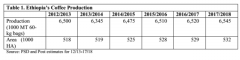
Annual report on Ethiopian Coffee 2017
Ethiopia's coffee production is expected to remain at 6.545 million bags in 2017 / 18. The export is expected to be 3.31 million bags. In June this year, in order to stimulate exports, the government plans to reform the coffee marketing and trading system, one of the most anticipated is that coffee will no longer have to go through the Ethiopian Commodity Exchange (ECX) (ECX trading process and system principles are described in the next article.

Burundian coffee boutique coffee bean manor with strong aroma and excellent acidity
There are different flavors of coffee, so you can't drink three or four cups in a row like tea or cola, but the formal coffee cup is the best. The average amount of coffee to drink is 80-100cc. Sometimes if you want to drink three or four cups in a row, you have to dilute the concentration of coffee, or add a lot of milk, but you still have to consider the degree of physical needs to add or decrease coffee.